 DPDP
DPDP20th May, 2026
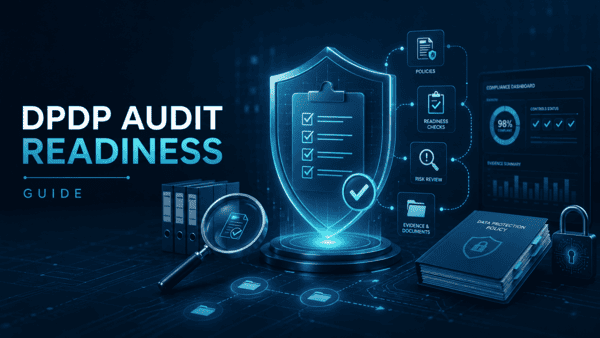
DPDP Audit Readiness Guide for 2026Prepare for DPDP audits with practical steps for ROPA, consent management, vendor risk, evidence, and continuous compliance.

Stay ahead with expert analysis about compliance, risk management, DPDP, and cybersecurity news.
DPDPPrepare for DPDP audits with practical steps for ROPA, consent management, vendor risk, evidence, and continuous compliance.
 GRC
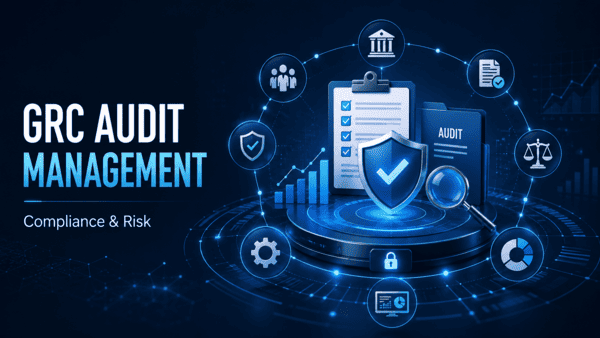
GRCLearn how GRC audit management supports planning, evidence collection, risk assessment, control testing, and audit readiness.
 Cybersecurity
Explore cloud encryption strategies, key management, SaaS and multi-cloud controls, and compliance practices for protecting sensitive data.
 DPDP
DPDPA DPDP Readiness Assessment Checklist helps organizations evaluate their preparedness for compliance with India's Digital Personal Data Protection (DPDP) Act. It reviews key areas such as data inventory, consent management, data principal rights, vendor management, security controls, breach response, governance, and compliance monitoring. A structured assessment helps identify gaps early and create a practical roadmap toward compliance.
 DPDP
DPDPDPDP compliance is no longer just a documentation exercise. Organizations now need clear visibility into personal data, consent records, user rights, vendor access, security controls, breach response, and audit evidence.
 DPDP
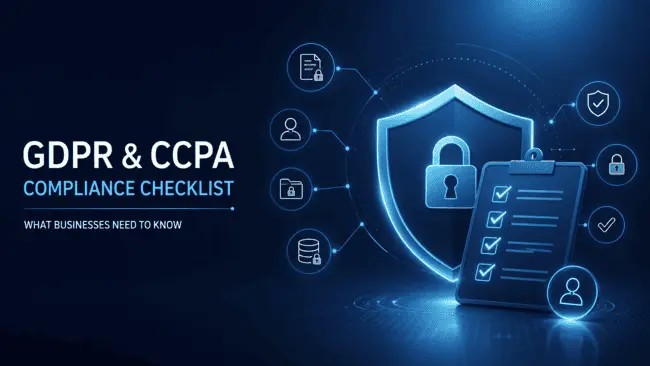
DPDPLearn GDPR to CCPA compliance checklist, key requirements, privacy rights, security controls, consent, notices, and audit-ready steps for businesses.
 DPDP
DPDPLearn DPDP compliance and security measures, mandatory safeguards, core obligations, breach response, checklist, and audit readiness for businesses.
 DPDP
DPDPLearn how to prepare for a DPDP audit with data inventory, consent records, vendor documentation, security controls, and remediation evidence.
 TPRM
TPRMVendors using AI can directly affect your organization's privacy, cybersecurity, compliance, and operational risk. To prepare vendors for AI compliance requirements, organizations must identify AI use, assess vendor risk, update contracts, validate data protection controls, require documentation, and monitor vendors continuously.
 GRC
GRCShadow AI risk is the exposure created when employees, teams, or departments use AI tools without formal approval, monitoring, or governance. It can lead to data leakage, privacy issues, compliance gaps, inaccurate decisions, and loss of control over sensitive business information.
 Cybersecurity
A cybersecurity due diligence checklist for vendors helps organizations review a third party’s security controls before onboarding or renewing a contract. It checks how the vendor protects data, manages access, handles incidents, monitors risks, works with sub-processors, and meets compliance requirements. The goal is to reduce third-party risk before the vendor gets access to sensitive systems or personal data.
 TPRM
TPRMA DPDP Readiness Assessment Checklist helps organizations evaluate their preparedness for compliance with India's Digital Personal Data Protection (DPDP) Act. It reviews key areas such as data inventory, consent management, data principal rights, vendor management, security controls, breach response, governance, and compliance monitoring. A structured assessment helps identify gaps early and create a practical roadmap toward compliance.
Explore the insights and trends shaping our industry.
 DPDP
DPDPPrepare for DPDP audits with practical steps for ROPA, consent management, vendor risk, evidence, and continuous compliance.
 DPDP
DPDPA DPDP Readiness Assessment Checklist helps organizations evaluate their preparedness for compliance with India's Digital Personal Data Protection (DPDP) Act. It reviews key areas such as data inventory, consent management, data principal rights, vendor management, security controls, breach response, governance, and compliance monitoring. A structured assessment helps identify gaps early and create a practical roadmap toward compliance.
 Cybersecurity
Explore cloud encryption strategies, key management, SaaS and multi-cloud controls, and compliance practices for protecting sensitive data.
 Cybersecurity
A cybersecurity due diligence checklist for vendors helps organizations review a third party’s security controls before onboarding or renewing a contract. It checks how the vendor protects data, manages access, handles incidents, monitors risks, works with sub-processors, and meets compliance requirements. The goal is to reduce third-party risk before the vendor gets access to sensitive systems or personal data.