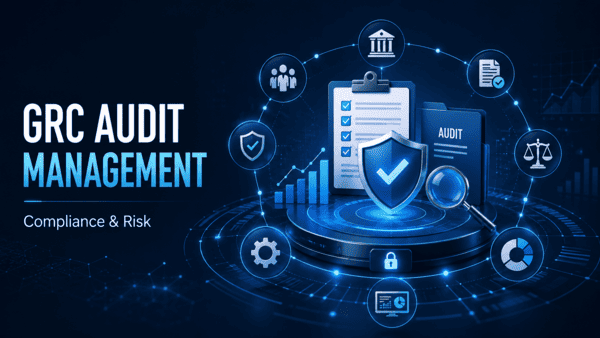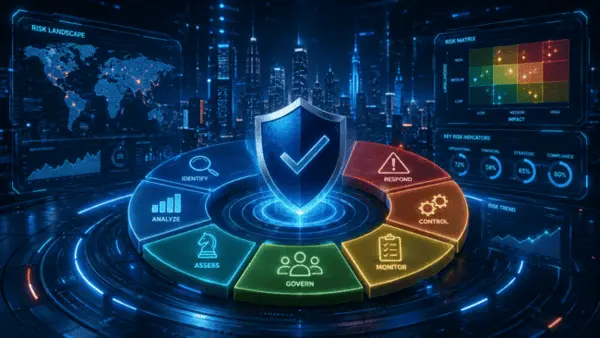

Vendor risk management software helps organizations assess, monitor, and manage third-party risks across security, compliance, operations, finance, and data protection. The best platform should support vendor onboarding, automated assessments, risk scoring, continuous monitoring, audit evidence, compliance tracking, and reporting so teams can reduce third-party risk before it affects business operations.
What Is Vendor Risk Management Software?
Vendor risk management software is a platform that helps organizations identify, assess, monitor, and reduce risks created by third-party vendors, suppliers, contractors, service providers, and outsourcing partners.
Vendors often handle sensitive data, provide critical services, access internal systems, or support important business functions. If a vendor has weak security, poor compliance controls, financial instability, or operational gaps, it can create serious risks for the organization.
A good vendor risk management platform helps teams manage the complete vendor lifecycle, from onboarding and risk assessment to monitoring, remediation, renewal, and offboarding.
Read also: Encryption Guide for DPDP Compliance
Why Is Vendor Risk Management Software Important?
Organizations depend on vendors for technology, cloud services, payroll, customer support, logistics, finance, legal services, and data processing. This makes vendor risk management a core part of governance, risk, compliance, and business continuity.
Vendor risk management software is important because it helps organizations:
- Identify high-risk vendors before onboarding
- Monitor vendor security and compliance status
- Track vendor documents, contracts, and evidence
- Reduce manual assessment work
- Improve audit readiness
- Respond faster to vendor-related incidents
- Maintain visibility across the third-party ecosystem
For organizations handling personal data, vendor risk also connects with DPDP compliance requirements, breach reporting, privacy management, and data protection obligations.
Key Features of the Best Vendor Risk Management Software
The best vendor risk management software should support both risk visibility and daily workflow execution. It should help teams collect information, assess vendors, assign risk scores, track remediation, and generate reports.
| Feature | Why It Matters |
|---|---|
| Vendor onboarding | Helps collect vendor details, ownership information, service scope, and documents |
| Automated assessments | Reduces manual questionnaire work and speeds up vendor reviews |
| Risk scoring | Helps prioritize high-risk vendors based on business impact |
| Compliance tracking | Tracks DPDP, GDPR, ISO 27001, SOC 2, and internal policy requirements |
| Continuous monitoring | Identifies changes in vendor risk after onboarding |
| Audit evidence | Maintains proof of assessments, approvals, and remediation |
| Reporting dashboards | Gives leadership visibility into third-party risk exposure |
| Workflow automation | Assigns tasks, reminders, reviews, and approvals to responsible teams |
A strong platform should not only collect vendor answers. It should help teams convert those answers into decisions, actions, and evidence.
Vendor Risk Management vs Third-Party Risk Management
Vendor risk management and third-party risk management are closely related, but they are not always the same.
Vendor Risk Management focuses on vendors, suppliers, contractors, and service providers that support business operations.
Third-Party Risk Management is broader. It can include vendors, partners, consultants, affiliates, outsourcing providers, resellers, and any external party that may affect operations, compliance, security, or data protection.
For many organizations, both terms are used together. A strong third-party risk management solution should help manage vendor assessments, compliance obligations, security reviews, business continuity risks, and third-party performance.
How to Choose the Right Vendor Risk Management Software
Choosing the right vendor risk management software depends on the organization’s size, vendor count, regulatory exposure, internal processes, and risk maturity.
Before selecting a platform, teams should check whether the software can support the full vendor lifecycle.
Key points to evaluate:
- Does it support vendor onboarding and classification?
- Can teams create customizable vendor questionnaires?
- Does it include automated risk scoring?
- Can it track compliance obligations and evidence?
- Does it support vendor audit records?
- Can it assign remediation tasks and owners?
- Does it provide dashboards and reports?
- Can it integrate with broader GRC, privacy, procurement, or security workflows?
The right platform should reduce manual dependency and give teams a clear view of vendor risk across departments.
Read also: Data Discovery in DPDP Privacy Programs
How Vendor Risk Management Software Supports Compliance
Vendor risk management is not only a procurement activity. It is also a compliance and data protection requirement for many organizations.
Vendors may process personal data, access confidential systems, provide cloud infrastructure, or support regulated business functions. If vendor controls are weak, the organization may face compliance gaps, data breaches, audit findings, and reputational damage.
Vendor risk management software supports compliance by helping teams:
- Track vendor security controls
- Maintain vendor assessment evidence
- Monitor regulatory obligations
- Document approvals and exceptions
- Link vendor risk with privacy and security requirements
- Prepare for internal and external audits
For example, if a vendor processes personal data, the organization should understand what data is shared, why it is shared, where it is stored, and how the vendor protects it. This connects vendor management with data inventory and mapping, privacy operations, and incident response.
Why GRC³ Is a Strong Vendor Risk Management Platform
GRC³ is suitable for organizations that want to manage vendor risk as part of a wider governance, risk, compliance, privacy, and audit program. Instead of managing vendor data in scattered spreadsheets and emails, teams can use structured workflows to centralize vendor risk activities.
GRC³ helps organizations manage:
- Vendor onboarding and assessment
- Risk scoring and prioritization
- Compliance tracking
- Vendor evidence and documents
- Review workflows and approvals
- Dashboards and reports
- Audit-ready records
- Third-party risk visibility
GRC³ can also support teams that need to connect vendor risk with privacy management software, audit readiness, data protection, and regulatory compliance.
How Vendor Risk Management Software Improves Operations
Vendor risk management software improves operations by giving teams a single place to manage vendor information, risk status, assessment records, and follow-up actions.
Without a structured platform, vendor reviews often happen through spreadsheets, email threads, shared folders, and manual reminders. This creates delays, missed actions, outdated evidence, and weak visibility.
A centralized platform helps organizations:
- Reduce repetitive manual work
- Standardize vendor assessments
- Improve vendor review turnaround time
- Prioritize vendors based on risk
- Track pending actions and escalations
- Maintain evidence for audits
- Improve collaboration between procurement, legal, IT, compliance, and security teams
This makes vendor risk management more consistent, measurable, and scalable.
Read Also: Scaling DPDP Compliance Across Multiple Territories & Privacy Laws
Best Practices for Vendor Risk Management
Vendor risk management works best when it is continuous, not limited to onboarding. Vendors should be reviewed based on risk level, service criticality, data access, and compliance impact.
Key best practices include:
- Classify vendors by risk and business criticality
- Use standard assessment questionnaires
- Define clear risk scoring criteria
- Review high-risk vendors more frequently
- Track remediation actions with owners and due dates
- Maintain vendor contracts and evidence in one place
- Connect vendor risk with DPDP data breach notification workflows
- Review vendors before renewal or major scope changes
- Maintain audit trails for decisions and approvals
Organizations should also use vendor risk monitoring to identify changes in vendor posture, compliance status, or service reliability over time.
Common Mistakes to Avoid in Vendor Risk Management
Many organizations start vendor risk management only after a problem occurs. This creates unnecessary exposure.
Common mistakes include:
- Treating all vendors the same
- Relying only on manual spreadsheets
- Not updating vendor risk scores
- Not collecting enough evidence
- Ignoring vendor access to personal data
- Reviewing vendors only once during onboarding
- Not connecting vendor risk with compliance and audit teams
- Not preparing for vendor-related incidents
Avoiding these mistakes helps organizations build a more mature and reliable third-party risk program.
Read also: Data Subject Requests (DSR) Under DPDP
Conclusion
The best vendor risk management software should help organizations assess vendors, monitor risk, track compliance, manage evidence, and improve decision-making across the vendor lifecycle. It should reduce manual work while giving teams better visibility into third-party risks.
GRC³ helps organizations manage vendor risk as part of a broader governance, risk, compliance, privacy, and audit framework. With structured workflows, dashboards, assessments, and evidence tracking, teams can strengthen vendor oversight and reduce third-party risk more effectively.
If you would like guidance on strengthening your DPDP compliance framework or understanding how governance, risk, and compliance tools can support your organization, feel free to contact us for assistance.
You can also visit our website to explore how modern GRC platforms help organizations manage data protection, risk management, and regulatory compliance in a more structured and scalable way.
FAQs
Vendor risk management software is a platform that helps organizations assess, monitor, and manage risks created by third-party vendors, suppliers, contractors, and service providers.
Related Posts